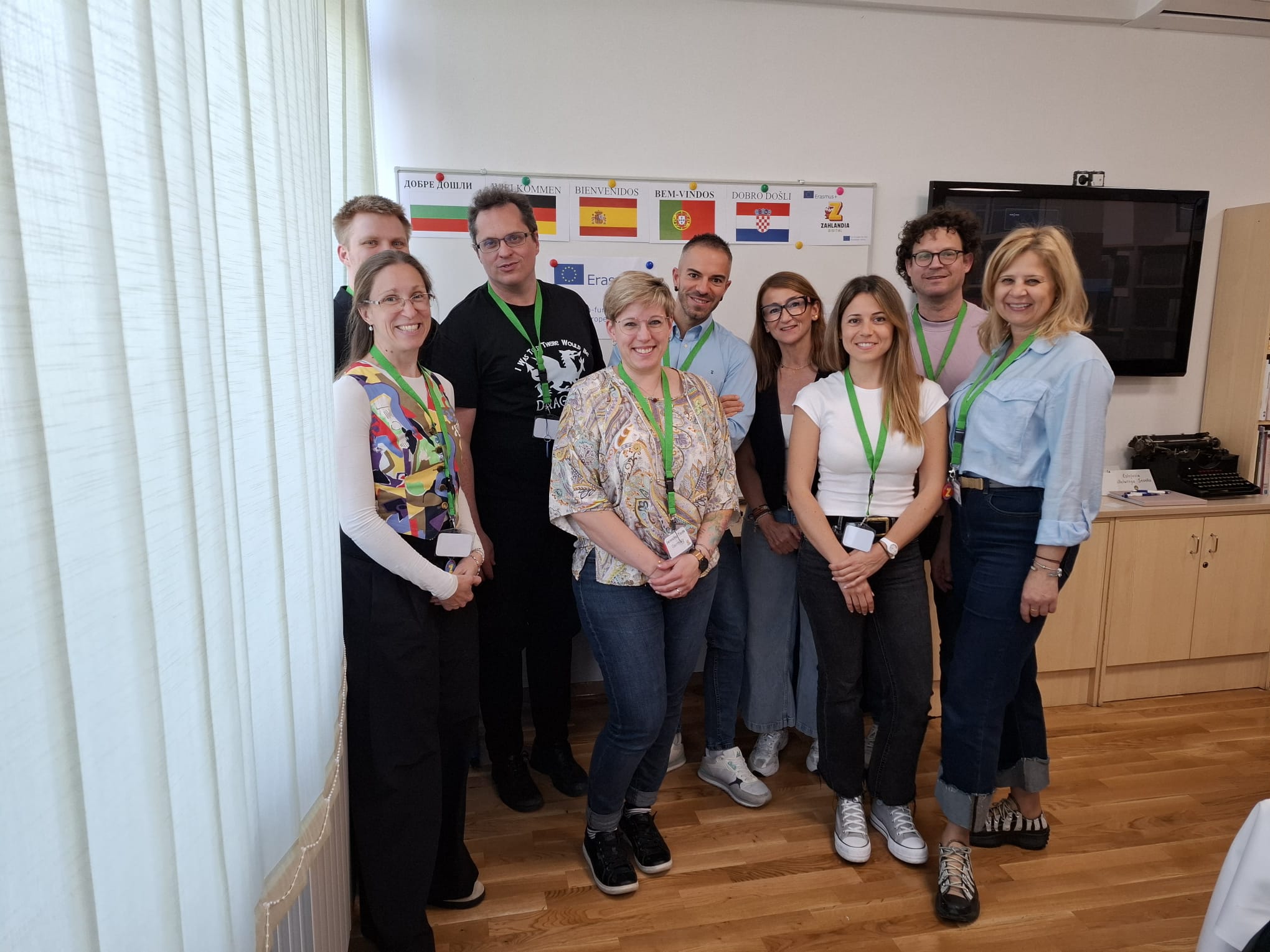






Insights from the first testing of analog Zahlandia in schools
Project Zahlandia: First Playtesting Sessions with Students
 22/12/2025
 446
446

Project Zahlandia: First Playtesting Sessions with Students
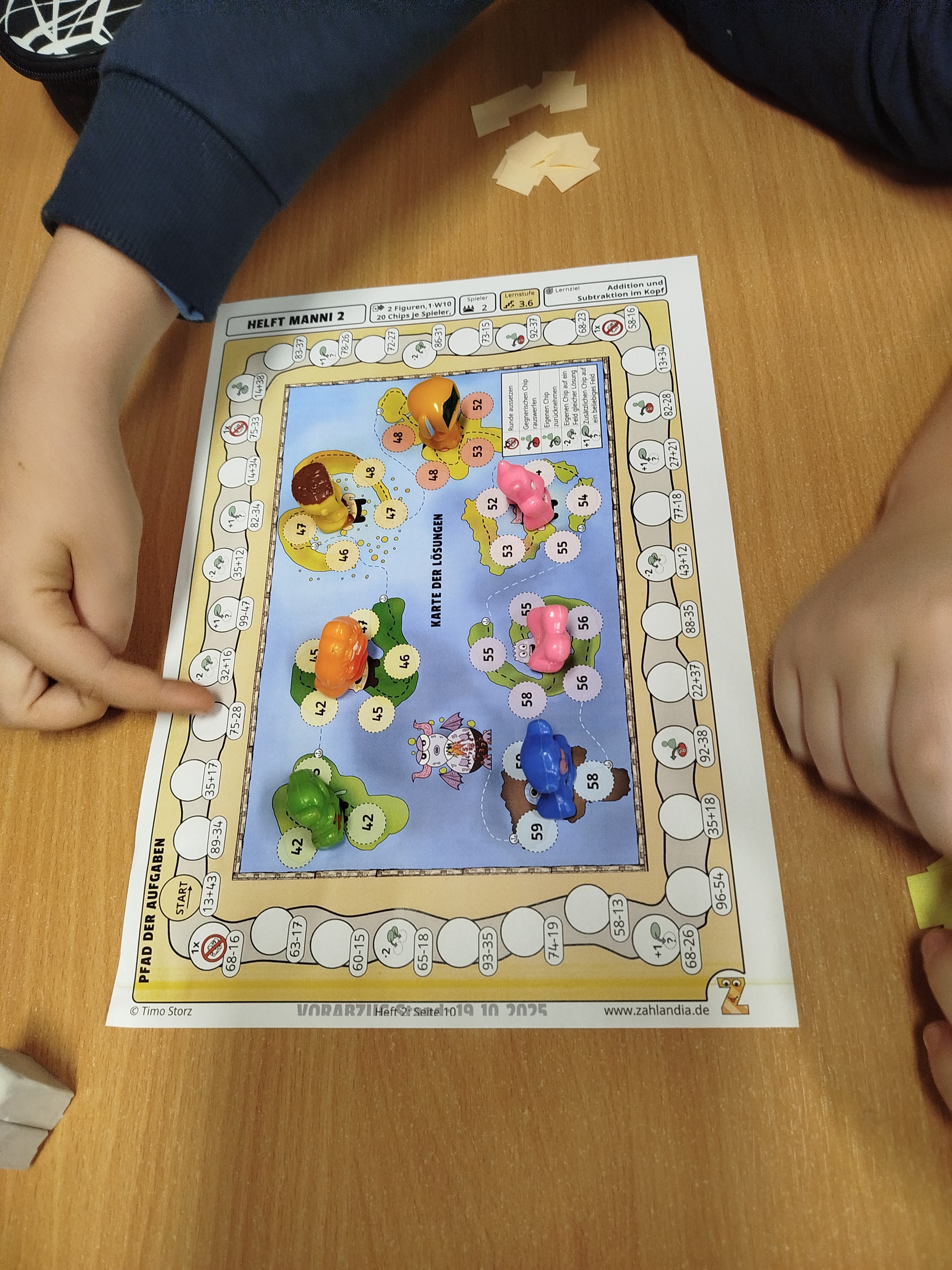
As part of the first classroom playtesting sessions of the analog paper-based games developed within *Project Zahlandia*, teachers had the opportunity to observe students’ reactions, engagement and learning processes while participating in the activities. During this session, students played *Zamo Chess*, one of the educational analog games designed to support mathematical learning through game-based methodologies.
The level of student involvement was remarkably high from the very beginning. After the initial explanation of the rules and game dynamics, students actively asked questions about how the game would be carried out, demonstrating curiosity, enthusiasm, and a strong willingness to participate. Throughout the activity, they remained attentive, motivated, and cognitively engaged.
Overall, students responded very positively to the experience. They expressed that they enjoyed the game and showed great motivation during the session. In fact, when the activity time ended, many students wanted to continue playing, highlighting the game’s capacity to maintain interest and active participation.
The gameplay mainly supported the practice and reinforcement of mathematical operations already familiar to the students.
No significant problems or difficulties arose during the session. The activity was carried out smoothly, and students adapted well to the proposed dynamics.
Based on this first experience, teachers expressed a clear willingness to continue using these kinds of educational games in future lessons. They highlighted that game-based methodologies encourage active and participatory learning while fostering competency development in a highly motivating environment for students.